
It is hardly an exaggeration to say that modern life exposes us to extraordinary levels of stress. Our parents and grandparents lived in a world that generally changed more slowly. Today, technological breakthroughs, instant communication, growing professional demands, and constant information overload have dramatically transformed our everyday lives.
While we enjoy the benefits of these advances, we also pay a price: persistent psychological and physiological stress that increasingly affects human health.
Work-related stress is an especially widespread and serious problem.
According to the Occupational Safety and Health Administration (OSHA), more than 80% of American workers have reported experiencing workplace stress. The economic consequences are enormous, with estimates placing annual losses to American businesses in the hundreds of billions of dollars.
Even more alarming, research cited by OSHA has modeled that workplace stress may contribute to approximately 120,000 deaths annually in the United States. These figures are estimates rather than directly counted deaths, but they illustrate the potential magnitude of the problem.
Why does stress have such a profound impact on human health? More importantly, what can massage therapists do about it?
To answer these questions, we must first understand two fundamentally different situations: the body’s response to acute stress and the body’s adaptation to chronic stress.
ACUTE STRESS (AS): OUR ANCIENT SURVIVAL MECHANISM
Acute stress is one of humanity’s most important survival mechanisms. Our distant ancestors did not possess powerful claws, sharp fangs, or exceptional physical strength. They survived dangerous environments through intelligence, cooperation, and the ability to recognize and react rapidly to threats.
Evolution equipped humans with a remarkable protective mechanism commonly known as the “fight-or-flight” response.
This response is primarily coordinated by the sympathetic division of the autonomic nervous system (ANS), working together with the body’s hormonal stress-response systems.
Imagine walking down a street when a large, aggressive dog suddenly charges toward you. Within seconds, your brain recognizes the potential danger and activates a coordinated series of physiological reactions.
Two major systems participate:
1. Sympathetic-Adrenal-Medullary (SAM) System
The sympathetic nervous system rapidly stimulates the adrenal medulla to release adrenaline and noradrenaline. These chemical messengers produce immediate physiological changes:
- Increased heart rate and cardiac output
- Increased respiratory activity
- Redistribution of blood flow toward skeletal muscles
- Increased availability of glucose for energy
- Greater alertness and readiness for muscular action
Your body is now prepared to fight the attacking dog or escape from it.
2. Hypothalamic-Pituitary-Adrenal (HPA) Axis
The HPA axis provides a somewhat slower hormonal response.
The hypothalamus releases corticotropin-releasing hormone (CRH), stimulating the pituitary gland to secrete adrenocorticotropic hormone (ACTH). ACTH then activates the adrenal cortex, which releases cortisol.
Cortisol helps maintain energy availability and coordinates metabolic, immune, and other physiological responses necessary to manage the threat. Together, these systems prepare the body to confront danger.
How Does the Brain Determine the Intensity of the Stress Response?
Interestingly, the intensity of our stress response depends partly on how the brain evaluates a potential threat.
Encountering an aggressive dog is frightening. Encountering an attacking tiger would probably produce an even stronger reaction!
The brain continuously evaluates sensory information, previous experiences, and perceived danger. These processes influence the activation of hypothalamic, autonomic, and hormonal stress-response pathways.
Thus, the intensity of the physiological response is not determined solely by the physical characteristics of the threat but also by how the brain interprets it.
What Happens to the Parasympathetic Nervous System?
The parasympathetic division of the ANS is commonly associated with “rest-and-digest” functions.
During an acute threat, sympathetic activity becomes dominant, while several parasympathetic functions, particularly those associated with digestion and energy conservation, are temporarily reduced.
However, the sympathetic and parasympathetic divisions are not simply two switches that turn each other completely on or off. Their activity is continuously coordinated according to the body’s needs.
Now imagine that the dog’s owner arrives and restrains the animal. The danger disappears.
Sympathetic activation gradually declines, stress-hormone activity returns toward baseline, and parasympathetic influences help restore normal cardiovascular, digestive, and other functions.
This is the essential characteristic of a healthy acute stress response: it is adaptive, temporary, and followed by recovery. Problems begin when stressors do not disappear.
CHRONIC STRESS (CS): WHEN THE SURVIVAL MECHANISM BECOMES A HEALTH PROBLEM
Unlike acute stress, chronic stress develops when stressful circumstances persist or repeatedly occur without adequate opportunities for recovery.
The body is no longer responding to a temporary emergency. Instead, it must continuously adjust to ongoing physical, psychological, or emotional demands.
One of the pioneers of modern stress research was the Austrian-Canadian physician and scientist Dr. Hans Selye (see Fig. 1).
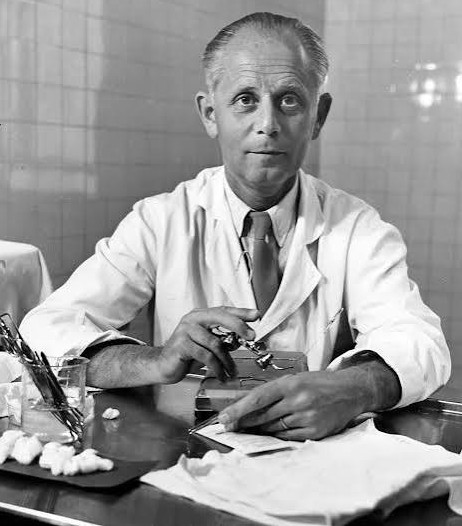
His groundbreaking investigations established the foundation for understanding how prolonged stress affects physiological functions. Dr. Selye also popularized an important distinction between two types of stress:
Eustress: Positive or manageable stress associated with motivation, accomplishment, excitement, and personal growth.
Distress: Negative or overwhelming stress that exceeds an individual’s ability to cope and may contribute to physiological and psychological dysfunction.
Dr. Selye’s work led to the development of the General Adaptation Syndrome (GAS), a model describing the body’s response to prolonged exposure to stressors (Selye, 1936). Although modern stress physiology recognizes other factors, Dr. Selye’s original GAS model remains a foundational framework.
GENERAL ADAPTATION SYNDROME: THREE STAGES
1. ALARM STAGE
The Alarm Stage represents the body’s initial response to a stressor. It involves activation of the sympathetic nervous system and associated hormonal pathways, similar to the acute stress response discussed earlier. The body mobilizes its resources to confront a challenge.
Under normal circumstances, when the stressor disappears, physiological functions gradually return toward baseline. But what happens when the stressor remains?
2. RESISTANCE OR ADAPTATION STAGE
Consider another scenario. An IT engineer receives responsibility for an extremely important but unusually difficult project. Successful completion promises career advancement, professional recognition, and significantly higher compensation.
Initially, the challenge produces excitement and motivation. His brain activates stress-response mechanisms that increase alertness, concentration, and energy availability.
However, the project is complicated and takes much longer than expected. The engineer begins working extended hours, spending most of his days in front of a computer. Deadlines approach, sleep becomes irregular, and opportunities for physical activity and relaxation disappear.
The temporary stress response has now become a chronic physiological challenge.
During prolonged stress, autonomic regulation, HPA-axis activity, sleep patterns, metabolism, and immune function may change significantly.
The problem is not simply that the sympathetic division remains steadily activated while the parasympathetic division struggles against it. Rather, chronic stress may disrupt the normal flexibility and coordination of both regulatory systems. This is particularly important because the ANS helps control every major physiological function.
Persistent stress-related dysregulation contributes to cardiovascular, gastrointestinal, metabolic, immune, and musculoskeletal problems. It does not directly cause every disease, but it can become a first stepping stone and an aggravating factor in many clinical conditions.
Early Clinical Warning Signs
During prolonged stress, patients may begin experiencing symptoms that initially appear unrelated:
- Persistent muscular tension
- Tension-type headaches
- Sleep disturbances
- Gastrointestinal discomfort
- Fatigue and reduced energy
- Irritability and mood changes
- Anxiety and difficulty concentrating
Psychological and emotional symptoms may become especially noticeable. The person may seek help from a psychologist, psychiatrist, or primary care provider without recognizing the possible relationship between occupational stress and developing physical symptoms.
This is a critically important stage for preventive intervention.
The body is still capable of adapting, and appropriate changes in lifestyle, stress management, sleep, physical activity, and professional care will reduce the physiological burden. This is why Massage Therapy becomes a critical component of addressing stress levels at this stage.
3. EXHAUSTION STAGE
In Dr. Selye’s original model, the Exhaustion Stage develops when prolonged exposure to stress overwhelms the organism’s adaptive capacity.
Modern medicine does not consider this a universal or inevitable final stage of chronic stress. Nevertheless, the concept illustrates an important clinical reality: persistent stress without adequate recovery contributes to serious deterioration in physical and psychological health.
Long-term stress exposure is associated with increased risks of several health problems, including:
- Hypertension and cardiovascular disease
- Sleep disorders
- Anxiety and depressive symptoms
- Gastrointestinal dysfunction (e.g., Peptic Ulcer or Irritable Bowel Syndrome)
- Persistent muscle spasm and chronic irritation of spinal and peripheral nerves
- Metabolic abnormalities
- Weakening of the immune system with the development of recurrent infections
- Stress can also aggravate existing medical conditions.
- Etc.
Now return to our imaginary IT engineer. Several years after completing his demanding project, he develops hypertension, chronic headaches, sleep disturbances, and persistent neck and shoulder pain. He visits different healthcare providers, each addressing particular symptoms.
What he may fail to recognize is that years of occupational stress, inadequate recovery, physical inactivity, and disrupted sleep have contributed to his declining health.
The important clinical lesson is that chronic stress should be addressed before its consequences become deeply established. This brings us to the role of massage therapy.
MASSAGE THERAPY AND GENERAL ADAPTATION SYNDROME
Why should massage therapists understand the physiological mechanisms of acute and chronic stress? Is this knowledge truly relevant to their professional practice?
Absolutely!
Massage therapy plays a critical role in rebalancing the ANS, reducing perceived stress (Field et al., 2005), relieving muscular tension (Nemati et al., 2024), reducing blood pressure (Arslan et al., 2021), and improving the patient’s overall sense of well-being.
Its clinical value becomes especially important when massage is integrated into a broader stress-management strategy. To understand this opportunity, we must examine one of the greatest challenges in managing chronic stress: the vicious cycle of stress and its secondary consequences.
THE VICIOUS CYCLE OF CHRONIC STRESS
The longer chronic stress persists, the more secondary problems may develop. Muscular tension interferes with comfort and sleep. Poor sleep increases fatigue and emotional irritability. Fatigue reduces motivation for physical activity. Physical inactivity contributes to additional musculoskeletal discomfort.
Each new problem may become another source of stress. Thus, the original stressor is no longer acting alone. Its secondary consequences begin reinforcing the overall stress burden.
Breaking this vicious cycle is a primary goal of effective stress management.
What treatment options are available? Psychological interventions, particularly evidence-based approaches such as cognitive behavioral therapy, help patients recognize and manage stressors, improve coping strategies, and modify maladaptive responses.
Medications may be appropriate when patients have specific conditions such as anxiety disorders or depression, but they are not automatically indicated for ordinary occupational stress.
Regular physical exercise is another powerful tool. It supports cardiovascular health, improves sleep, and can reduce symptoms of anxiety and depression.
However, patients experiencing severe fatigue, persistent muscular discomfort, or emotional exhaustion may find it difficult to begin and maintain an exercise program. This is where professionally conducted Stress-Reduction Massage (SRM) provides the first critical step in recovery.
STRESS-REDUCTION MASSAGE: A CLINICAL OPPORTUNITY
Stress-Reduction Massage should not be viewed merely as a pleasant recreational experience of gliding strokes with oil in a dimmed room with relaxing music.
A correctly designed and conducted stress-reducing massage session should produce measurable physiological and psychological responses. Clinical research has documented reductions in perceived anxiety, heart rate, and degree of muscle tension following massage sessions. Many studies also report changes in blood pressure and other physiological markers (references above). The important question is:
How can mechanical stimulation of soft tissues influence the nervous system and the body’s stress response?
PERIPHERAL RECEPTORS: THE CONNECTION BETWEEN THE THERAPIST’S HANDS AND THE CLIENT’S BRAIN
Human skin, fascia, skeletal muscles, and other soft tissues contain numerous sensory receptors. These receptors continuously transmit information to the central nervous system regarding touch, pressure, stretch, vibration, temperature, movement, and potentially harmful stimulation. Different receptor populations respond to different forms of mechanical input.
For example:
- Cutaneous mechanoreceptors detect touch, pressure, vibration, and skin deformation.
- Muscle spindles provide information about muscle length and changes in length.
- Golgi tendon organs detect muscle-tendon tension.
- Free nerve endings participate in temperature sensation, nociception, and other sensory functions.
The density and distribution of these receptors vary considerably among tissues and anatomical regions. Their activation creates a continuous flow of sensory information toward the spinal cord and brain. This is one of the fundamental physiological principles behind massage therapy.
HOW CAN MASSAGE INFLUENCE AUTONOMIC REGULATION?
The concentration of peripheral receptors in soft tissue far surpasses their density in the inner organs. One square centimeter of skin contains more than 220 sensory receptors from different families (touch, pressure, vibration, temperature, etc.). The entire skin carries 3-4 million nociceptors, which are the starting points of our pain-analyzing system. At the same time, all inner organs combined carry only a few thousand nociceptors. It is a 200-to-1 ratio (Weimer, 2014).
During massage, controlled mechanical stimulation activates populations of peripheral sensory receptors. Their signals enter the central nervous system and are processed through interconnected spinal, brainstem, thalamic, cortical, and other neural pathways. These sensory inputs interact with systems involved in pain modulation, emotional processing, body awareness, and autonomic regulation.
Thus, during regular SRM sessions, the therapist activates a large number of peripheral receptors, making it a powerful tool for rebalancing both divisions of the autonomic nervous system. The quality, intensity, duration, and interpretation of sensory stimulation are as important as the quantity of sensory input.
Massage therapists have a remarkable professional advantage: their hands can deliver controlled sensory stimulation directly to the body’s extensive network of peripheral receptors!
WHY THE CORRECT APPLICATION OF SRM MATTERS
Not every massage technique produces the same physiological response. A relaxation-oriented massage session should consider the patient’s current stress level, sensitivity to touch, muscular condition, medical history, and individual response to treatment.
A patient with significant stress-related muscular tension may react differently to pressure than a healthy person seeking a recreational massage. This is why careful evaluation and appropriate pressure selection are essential.
Effleurage and other gliding techniques are useful components of stress-reduction massage. However, repetitive gliding strokes alone do not guarantee an effective clinical outcome.
The therapist must work layer by layer and continuously evaluate tissue response, patient comfort, pressure tolerance, and signs of increased defense reactions.
An effective SRM session should ALWAYS be structured around the client’s needs rather than a rigid sequence of standardized movements.
What About Deep Tissue Massage?
Deep Tissue Massage requires particular attention. Excessive or painful pressure activates the pain-analyzing system, increases protective muscular guarding, and produces an undesirable stress response. The distinction is important.
Therapeutic pressure should never be confused with maximum pressure!
Repetitive application of excessive mechanical pressure triggers fascial adhesions and degenerative changes in the skeletal muscles, resulting in myogelosis. There is a very good chance that the client’s demand for deep pressure application is a sign that the person has already entered the Resistance Stage of General Adaptation Syndrome.
In Part II, we will examine the principles of a correctly structured Stress-Reduction Massage session, including selecting techniques, controlling pressure, stimulating different soft-tissue layers, and monitoring the patient’s responses.
SOMI’s 2027 schedule is here!
Start or continue your professional journey into the exciting world of Medical Massage, where medical science meets massage therapy clinical practice!
Join SOMI for our 2027 Live Seminars and Webinars and take your clinical skills to the next level!
Here is SOMI’s schedule: Medical Massage Continuing Education
REFERENCES
- Arslan G, Ceyhan Ö, Mollaoğlu M. The influence of foot and back massage on blood pressure and sleep quality in females with essential hypertension: a randomized controlled study. J Hum Hypertens. 2021;35(7):627-637. doi:10.1038/s41371-020-0371-z
- Field T, Hernandez-Reif M, Diego M, Schanberg S, Kuhn C. Cortisol decreases and serotonin and dopamine increase following massage therapy. Int J Neurosci. 2005;115(10):1397-1413. doi:10.1080/00207450590956459
- Nemati D, Hinrichs R, Johnson A, Lauche R, Munk N. Massage therapy as a self-management strategy for musculoskeletal pain and chronic conditions: a systematic review of feasibility and scope. J Integr Complement Med. 2024;30(4):319-335. doi:10.1089/jicm.2023.0271
- Selye H. A syndrome produced by diverse nocuous agents. Nature. 1936;138(3479):32. doi:10.1038/138032a0
- Weimer LH. Sensory receptors. In: Encyclopedia of the Neurological Sciences. Elsevier; 2014. doi:10.1016/b978-0-12-385157-4.00694-1
- Workplace stress – overview. Occupational Safety and Health Administration. https://www.osha.gov/workplace-stress
ABOUT THE AUTHORS

Oleg Bouimer, LMT, CMMP
Mr. Bouimer, born in Ukraine, has been a Licensed Massage Therapist, Medical Massage Practitioner, and certified fitness trainer for over twenty years. Mr. Bouimer graduated with honors from the Institute of Physical Education of Ukraine.
Since the beginning of his career, he has been involved in scientific research on the effectiveness of massage therapy in treating sports injuries. For several years, he worked at the Center for Scientific Research at the Ternopil Medical Institute in Ukraine. He has authored many articles in European and American medical and massage journals. As a three-time Ukrainian triathlon champion and coach, he learned the benefits and necessity of massage therapy early on.
Currently, Mr. Bouimer maintains a very active sports massage practice in Los Angeles. Star players of the NBA, NHL and NFL seek him out extensively for his system of Russian Sports Massage. He teaches nationwide and has founded a Medical and Sports Massage Club in Los Angeles for practitioners who wish to learn massage therapy based on scientific principles.
Mr. Bouimer is the founder of the Global Wellness Institute, a non-profit organization in Southern California that sponsors fundraising events to promote research and education in massage therapy, as well as physical education for kids in public schools. He lives in Los Angeles with his wife and son.

Dr. Ross Turchaninov
See Who is Dr. Ross Tourchaninov? – YouTube for Dr. Ross Turchaninov’s biography.
Category: Stress Reduction Massage
Tags: JMS 2026 Issue #2
